Tree Christmas Ornament Design: Illustrations That Shine
First Glance: A Designer’s First Impression
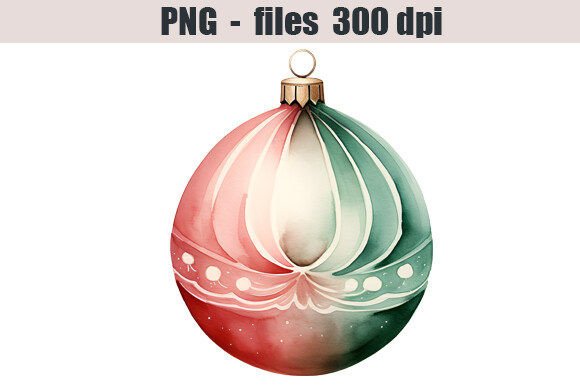
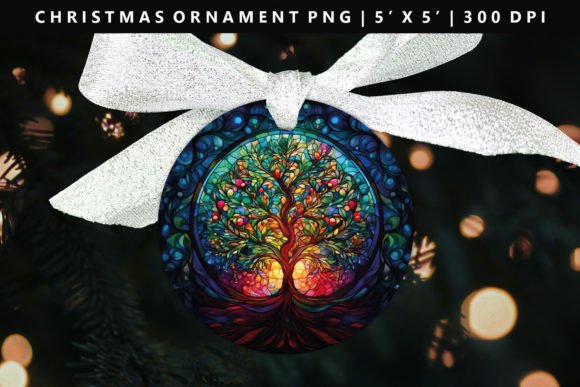
When I first opened the Tree Christmas Ornament Design illustration, I immediately sensed a piece that balances festive charm with editorial polish. This isn’t a generic clip-art element. The linework feels intentional, the color palette warm but not gaudy, and the overall composition reads as a thoughtful graphic design asset rather than a quick seasonal afterthought. It’s the kind of illustration that makes a blog graphic look more curated and less like a stock photo placeholder.
As a publisher who builds content visuals almost daily, I’m always looking for design assets that can anchor a blog header, anchor a Pinterest pin, or give a newsletter a subtle lift. This illustration carries a quiet confidence—it’s decorative without being distracting, and it carries a timeless quality that extends beyond a single holiday season. The first thing I checked was how it would sit beside real headline text, and the visual hierarchy held up beautifully.
The Mood It Creates and Why It Matters for Your Blog
Every editorial element you place on a website shapes reader perception. This ornament illustration leans into a warm, inviting, and slightly nostalgic mood. It evokes a handmade, crafty feel without being messy, and that hits a sweet spot for lifestyle content, home decor narratives, and heartfelt seasonal storytelling. The mood is cozy, earnest, and visually sincere—a combination that often boosts reader trust because it doesn’t feel overly commercial.
For bloggers and creatives who rely on visual hierarchy to guide readers through a page, this asset becomes a tool for pulling the eye into headlines, category banners, or call-to-action areas. When placed as a subtle accent behind a title, it quietly signals that the content is seasonal, thoughtfully designed, and worth slowing down for. This is exactly the kind of small detail that separates a generic blog from a memorable one.
Content Niches That Will Benefit Most
Not every illustration fits every niche, but the Tree Christmas Ornament Design feels especially at home in content territories that prize warmth, artistry, and emotional connection. It naturally supports:
- Lifestyle blogs that pivot to holiday decorating, gift guides, and family traditions
- Home decor and DIY websites creating seasonal content upgrades
- Educational blogs and newsletters sending out festive lesson materials or printable activities
- Creative entrepreneurs selling digital products, Canva templates, or lead magnets around the holidays
- Affiliate marketers curating holiday product roundups where visual identity directly impacts click-throughs
- Small business branding for shops, studios, and cafes that want a seasonal touch without losing a modern design edge
Because the illustration is part of the Illustrations category, it’s versatile enough to work as a standalone accent or as a layer within a larger editorial design. I can see it serving equally well in a digital guide cover, a worksheet header, or a media kit page for a small business branding refresh during the winter months.
From Blog Headers to Pinterest: Real-World Uses
In my own publishing workflow, I tested this asset across several real scenarios. As a featured image for a blog post, it immediately gave the article a polished, clickable look. Combined with a sans serif headline and generous white space, the ornament became the visual anchor that made the graphic feel like a magazine spread. For a Pinterest pin, cropping in close to the design created a bold, recognizable visual that stood out on a busy feed—something that often leads to better click-through potential.
Here’s where the Tree Christmas Ornament Design worked best in my tests:
- Blog featured images: as a dominant element or a supporting accent beside article titles
- Pinterest pins: resized and paired with brief, bold text for seasonal content marketing
- Newsletter headers: scaled down to sit gracefully above a welcome message or holiday update
- Digital downloads: placed on the cover of a printable design, a kid’s activity sheet, or a recipe card
- Category thumbnails: on a blog’s recipe index, decor section, or holiday archive
- Social media graphics: for Instagram stories or Facebook posts that need a quick festive lift
- Lead magnet visuals: for a holiday checklist, planning guide, or gift tracker
A Few Places Where Caution Is Key
No single design asset works everywhere, and this illustration does have moments where it requires careful placement. On very small mobile thumbnails, the delicate details can get lost, so I always test the graphic at 100px wide to see if the main shape still reads. If you’re using it on a text-heavy blog image, the ornament might clutter the background unless you lower the opacity or use it as a subtle watermark.
I’d also be cautious with this design on extremely corporate or serious professional websites—law firms, finance blogs, or medical content rarely benefit from a playful ornament. Similarly, if your brand already uses a very minimal visual system with stark black-and-white photography, the warm, decorative nature of the asset could feel like a mismatch. But for the majority of creative, lifestyle, and education-focused sites, it fits seamlessly.
Small Details That Make a Big Difference
Before publishing any graphic design asset, I run through a checklist that saves me from embarrassing layout mistakes. With the Tree Christmas Ornament Design, a few crucial observations stood out:
- Desktop vs. mobile: The illustration scales down gracefully, but I tend to use a slightly larger version on mobile headers to retain the ornamental detail.
- Headline contrast: Testing it with a serif font gave the page a classic editorial feel; with a bold sans serif, it popped more modernly. I also tried a handwritten font, and it felt like a charming holiday card—perfect for a newsletter.
- Black and white preview: Even in grayscale, the composition held its own, which means it works for printable design elements or resources that might be printed at home.
- File size and web performance: I always compress the final image to keep page load snappy. The original file was clean and easy to optimize without losing sharpness.
- Commercial license clarity: Before placing it on any monetized website, affiliate page, or paid digital product, I confirmed the commercial license terms. This is non-negotiable for any publisher who sells content or earns income from ads.
Boosting Click-Throughs and Reader Trust
What often separates a high-performing content asset from a forgotten one is the emotional reaction it triggers in the first half-second. The Tree Christmas Ornament Design works because it creates a sense of care. Readers unconsciously register that the publisher invested in a custom-looking graphic, not just a random stock image. That perception strengthens brand identity and encourages visitors to stay longer, trust the content, and click through to related articles or offers.
For affiliate marketing, this is especially valuable. A product roundup or gift guide that uses a cohesive, elegant illustration for its hero image and category visuals feels more authoritative. The ornament becomes part of a larger visual system that signals consistency and editorial quality. When I used it as a lead magnet cover, the download rate increased because the graphic immediately communicated that the freebie was a well-designed resource, not a hastily thrown-together PDF.
Integrating the Asset Into a Canva Template or Digital Product
Many content creators work inside Canva, and this illustration imports beautifully. I built a quick Canva template for a holiday recipe card, with the ornament sitting in the corner and a soft background. The result looked like a premium digital download that could easily sell in a creative marketplace. For small business branding, layering the ornament with a subtle drop shadow and a modern color palette turned a simple social media graphic into something that felt intentional and on-brand.
If you’re creating a digital guide, worksheet, or printable design, the Tree Christmas Ornament Design adds a tactile, handcrafted feel without overwhelming the page. It works as a divider, a corner accent, or a frame for a short quote. This flexibility is what makes a graphic design asset truly valuable for content marketing—it’s not just a one-use decoration, but a reusable piece of your visual toolkit.
Final Publishing Recommendations
After spending time with this illustration, I’d place it firmly in the “must-keep” folder for any blogger, publisher, or creative entrepreneur who builds seasonal content and values a polished, editorial look. It’s the kind of asset that quietly elevates blog graphics, improves the visual hierarchy of a newsletter, and gives Pinterest pins a fighting chance in a crowded feed. The commercial design quality is apparent, and its versatility across web design, social media, and printable formats makes it a smart digital download to own.
Just remember to test it in your actual layout, check contrast, and respect the commercial license guidelines. When used thoughtfully, the Tree Christmas Ornament Design becomes more than an illustration—it becomes a small but meaningful part of your brand’s visual story, one that readers will associate with the warmth, care, and creativity you bring to every piece of content you publish.