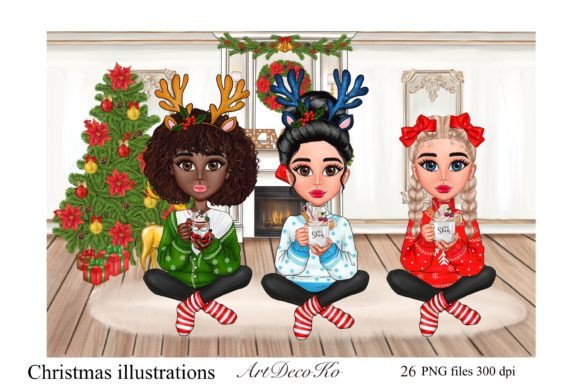
Christmas Сhibi: A Designer’s Review for Real Projects
When I first opened the Christmas Сhibi file, I immediately smiled. That’s a reaction I always pay attention to as an embroidery designer—does the design communicate a clear, instant feeling before a single stitch is laid? This one does. The chibi style, with its oversized head, tiny body, and wintery festive details, creates a mood that’s equal parts playful, cozy, and nostalgic. It’s the kind of design that makes you think of childhood holiday cartoons, handmade ornaments, and the type of gift that feels personal even before you wrap it. The layout is compact and self-contained, with a clear silhouette that isn’t cluttered. The theme is unmistakably Christmas, but the chibi personality softens it, making it more versatile than a traditional Santa or snowman. I’d describe the visual personality as gentle cheerfulness—it’s cute without being juvenile, and festive without being loud.
From a practical standpoint, the shape and detail level suggest it was drawn with embroidery in mind, even if it started as an illustration. The linework flows cleanly, the color blocks are well-separated, and the overall composition feels balanced for a hoop. As a reviewer, I don’t just look at the art—I mentally run a stitch-out simulation. With Christmas Сhibi, I can already picture the satin stitch borders defining the character’s face, the fill stitches laying down smoothly on a sweatshirt, and the small accent details popping with a contrasting thread. The design lives in that sweet spot between “simple enough to stitch cleanly” and “detailed enough to feel special.”
The Tote Bag Test: A Real-World Scenario
Let me ground this in a real project. A few weeks ago, I was preparing a batch of custom embroidered tote bags for a holiday craft market. My customer wanted something sweet, gender-neutral, and instantly recognizable as Christmas—but not another generic reindeer. I pulled up the Christmas Сhibi design and ran a stitch-out on a medium-weight cotton canvas tote in natural beige. I used a 5x7 hoop, which easily accommodated the design without forcing the registration to the edges.
The stitch-out itself was a pleasant experience. The satin perimeter stitches gave the character a crisp, almost sticker-like edge that looked professional and held up well against the textured fabric. The fill areas didn’t become overly dense; I didn’t see any pulling or tunneling, even with a midweight cutaway stabilizer. The small details—the chibi eyes, the tiny blush marks, the little winter accessory—read clearly. I did notice that the thread color contrast on the beige fabric was critical. I tested a warm red and a soft off-white for the highlights, and the combination felt like a hand-decorated cookie. The result was a tote bag that looked like a boutique product, not a mass-produced item. Customers at the market picked it up immediately, often saying “Oh, that’s adorable!” before even checking the price. That’s the kind of buyer engagement a good design can trigger.
Where Christmas Сhibi Truly Belongs
After testing on multiple substrates, I can say this design shines brightest on projects that benefit from a clean, character-focused focal point. Think of items where the embroidery becomes the main visual statement. Here are the applications that felt most natural:
- Custom apparel – hoodies, crewnecks, and long-sleeve tees, especially placed on the left chest or as a centered chest piece. The chibi proportions work well on adult and youth sizes without looking out of place.
- Tote bags and canvas pouches – the design’s clear shape makes it a great centerpiece for reusable shopping totes, makeup bags, or book pouches.
- Baby and toddler items – onesies, bibs, baby blankets, and tiny hats. The soft, friendly character doesn’t intimidate little ones, and parents appreciate the handmade charm.
- Holiday kitchen textiles – tea towels, aprons, and oven mitts. On a flour-sack cotton towel, the design adds a touch of whimsy without making the item feel like a novelty.
- Pillow covers and nursery decor – the chibi illustration style translates beautifully into a cozy, storybook-like accent for a child’s room or a reading nook.
- Patches and iron-on accents – with a tight satin border, this design can be finished as a standalone patch for jackets, backpacks, or stocking stuffers.
- Personalized gifts – adding a name or date below the character turns it into a keepsake ornament, a wedding gift tag, or a holiday milestone marker.
For Etsy sellers and small shop owners, Christmas Сhibi offers a distinct advantage: it’s not a design you see everywhere. The chibi style gives it a niche appeal that stands out in a sea of traditional holiday motifs. When I list products with this design, I pair it with soft, muted color palettes in the product photos—that helps the finished piece feel modern and giftable, which increases engagement from buyers looking for something special.
When to Stitch with a Little Extra Care
No design is perfect for every project, and being honest about limitations is what separates a thoughtful review from a sales pitch. With Christmas Сhibi, the main areas that require extra attention are the small facial features and any thin connecting lines. If you’re working on a low-quality, fuzzy fabric, those tiny details can lose definition. Here’s where I’d pause and plan:
- Small hoop sizes – if the design has to be scaled down significantly for a 4x4 hoop, the eyes and tiny accent lines might close up. Always test the stitch-out at the smallest size you intend to use before committing to production.
- Dark fabric – on black or deep navy, the character’s outline and lighter fill areas can look washed out unless you bump up the contrast or add a light underlay. I prefer to use this design on light to medium backgrounds for the best pop.
- Stretchy or thin fabrics – on a performance tee or a tissue-weight jersey, the fill stitches can cause puckering. Use a no-show mesh stabilizer and a topper if needed, and consider reducing the stitch density slightly if your software allows it safely.
- Curved surfaces like caps – the compact design fits on a cap front, but the rounded shape of the hat can distort the chibi proportions. I’d recommend a low-profile cap and a very careful hooping technique, or saving this design for flat surfaces like a dad hat front panel.
- Items that need frequent washing – the satin stitch borders can snag over time if the item is washed roughly. For a baby blanket or a sweatshirt that will see many cycles, secure the edges with a tight stitch and consider a soft backing to protect the threads.
I always run a black-and-white mockup of the design before stitching. This simple step reveals whether the design relies too heavily on color for its readability. With Christmas Сhibi, the silhouette remains recognizable even in grayscale, which is a good sign for its versatility across different fabric colors and thread choices.
How the Design Lifts the Finished Product
From a business perspective, the right embroidery design influences far more than just the visual appeal. The Christmas Сhibi design has a way of increasing perceived product value. When a customer sees a carefully stitched chibi character on a handmade item, they immediately associate it with time, care, and a designer’s eye. That translates into real trust—buyers are more likely to pay a premium and return for future seasons.
For brand consistency, this design helps you build a recognizable style. If your shop leans into cute, illustrated, or storybook-inspired embroidery, a chibi holiday character fits right in. It doesn’t look like a generic sports logo or a mass-market patch; it feels like something a person actually drew. That matters when you’re trying to stand out in a crowded market of personalized gifts and craft fair products.
The “giftability” factor is high. I’ve seen customers buy a single embroidered tote bag with this design as a standalone present, no additional wrapping needed. That’s the kind of emotional response you want to create. The design doesn’t just decorate a product—it becomes the reason someone buys it. And for digital product sellers, a design like this previews beautifully in printable mockups, helping you sell the digital embroidery file itself with confidence.
Designer Notes Before You Stitch
Before you load Christmas Сhibi onto your machine and start a production run, here are a few critical checks that I always recommend:
- Stitch-out on scrap fabric first – don’t test on the actual garment. Use a similar weight and weave of fabric so you can see how the design behaves without risking your final product.
- Thread color contrast – the design’s details might look muddy if you choose colors that are too close in value. I find that a slightly darker outline and a light, bright fill create the best definition.
- Stitch density review – if the original file is a digitized illustration, some areas might be denser than necessary. Check the density visually and feel the stitch-out. If it feels stiff, talk to the digitizer about optimizing for your fabric type.
- Hoop size confirmation – the file may come in multiple sizes. Always confirm that the design fits your hoop with at least a half-inch margin for safe stitching and that the machine’s field limit isn’t exceeded.
- Stabilizer selection – for most projects, a medium-weight cutaway stabilizer is a safe bet. For towels or knits, add a water-soluble topper to keep the stitches from sinking into the pile.
- Licensing and commercial use – I can’t know the exact terms attached to this specific Illustrations category file. Before you sell finished items, digitize the design for resale, or include it in a digital product bundle, check the license carefully. Many designers are fine with physical product sales but restrict digital redistribution. It’s your responsibility to verify.
I also recommend testing the design on both light and dark backgrounds. The chibi’s expression and accessory details can shift in perceived mood depending on the fabric color. A cream sweatshirt makes it feel soft and vintage; a forest green tee gives it a classic holiday feel; a bright red tote can make the whole design look like a gift wrapped in itself. Small choices like thread sheen—using a matte polyester versus a rayon with a slight shine—can further refine the final look.
Final Practical Thoughts
After working with Christmas Сhibi across several test pieces, I’m confident it’s a design that belongs in the stitching library of any maker who focuses on heartfelt, character-driven holiday products. It’s not a design that tries to do everything; it knows exactly what it is—a tiny, festive friend that makes people smile. That simplicity is its strength. It stitches out relatively cleanly, reads well at a distance, and elevates the simplest handmade item into something that feels like a small treasure.
For the creative entrepreneur, that’s exactly the kind of asset you want. Whether you’re building a line of custom apparel, preparing a batch of market-ready totes, or adding a new holiday embroidery design to your Etsy shop, Christmas Сhibi offers a blend of professional polish and genuine charm. Just remember to test it in your own workflow, respect the stitch-out limitations on tricky fabrics, and always check the small details before you commit to a full production run. The result will be a product that doesn’t just look stitched—it looks designed.