Aesthetic Cucumber Vegetable Line Art: A Designer’s Review
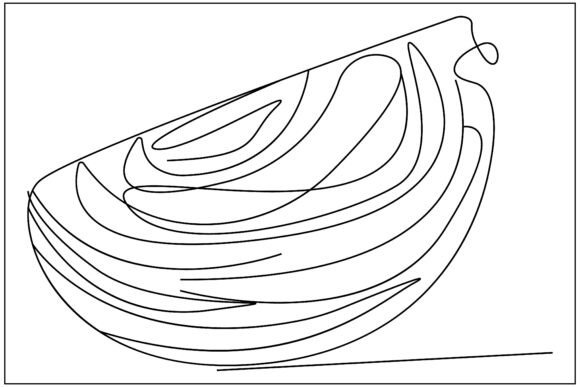
I pulled up Aesthetic Cucumber Vegetable Line Art on a quiet afternoon, already mentally placing it on a natural cotton tote bag for a local farm stand. The design is a crisp, single-line botanical drawing that feels both modern and nostalgic. It’s not trying to be a hyper-realistic cucumber — it’s a mood, an airy garden accent that whispers freshness. As an embroidery designer, I immediately started thinking about stitch paths, thread weights, and how this would land on a customer’s kitchen towel or a baby’s onesie. Not every line art makes a smooth leap from screen to fabric, but this one has a quiet confidence that makes it worth testing.
First Impressions: Clean, Unfussy, and Surprisingly Versatile
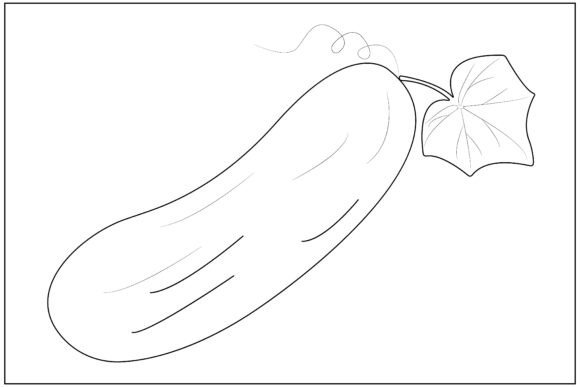
The first thing I notice is the shape. The cucumber is drawn with a few deliberate curves, a tiny leaf, and just enough detail to feel organic without being fussy. No heavy shading, no dense fills — just a pure, aesthetic line art that reads as a contemporary illustration. When I see this kind of artwork, I think of handmade coffee shop aprons, linen pillow covers, and curated Etsy shops that lean into botanical minimalism. It’s a design that would look equally at home on a wedding gift tea towel or a playful kids’ tote.
Because the file is described as a graphic you can use for posters, mugs, t-shirts, and more, I know it’s not a pre-digitized embroidery file. That’s fine — but it’s important to go in with eyes open. You’ll need to convert it into a machine embroidery design using your software, deciding how to translate those thin, graceful lines into stitches that hold up on fabric. The mood is gentle, so I’d want the final embroidery to keep that airy feel rather than turning into a chunky outline.
The Vibe: Garden-Fresh and Unpretentious
Aesthetic Cucumber Vegetable Line Art avoids the trap of looking too cartoonish. It’s a little whimsical, but grounded. The visual personality is calm, clean, and almost therapeutic. I can picture a customer holding a finished product — maybe a simple cotton apron — and smiling because the embroidery feels intentional, not overdone. That’s the kind of buyer engagement you want when you’re building a small craft business.
Where This Line Art Truly Shines
When I mentally test a design, I run through the products my customers actually buy. This one belongs on items where the fabric is smooth and the design has room to breathe. A few projects that come to mind immediately:
- Tote bags — natural canvas or linen, with the cucumber stitched near the bottom corner or centered like a pocket-sized emblem.
- Kitchen towels and tea towels — a single, understated cucumber on a flour sack towel, paired with a subtle stripe of color.
- Baby onesies — the soft lines are perfect for a tiny chest embroidery, especially in a muted sage or dusty green.
- Pillow covers — layered with a couple of coordinating botanical designs, this would make a lovely farmhouse-style cushion.
- Aprons — a small, elegant placement on the bib or a set of three on a pocket adds boutique charm.
- Custom apparel — think lightweight sweatshirts or linen blend tees, where the design looks like a delicate sketch.
I also see it as a strong candidate for personalized gifts. A monogram next to the cucumber on a makeup bag or a reusable grocery tote gives a thoughtful, custom feel without adding hours of stitching.
When a Customer Asks for “Something Simple and Fresh”
We’ve all had the request: “I want something nature-inspired, but not too bold.” Aesthetic Cucumber Vegetable Line Art fits that brief perfectly. It’s a quiet design that still has enough shape to be recognizable from across a room. I recently used a similar line art for a client’s bridal shower tea towels, and the response was overwhelmingly positive. This cucumber design would fill that same niche — a handmade product that feels both personal and polished.
From Screen to Stitch: What to Expect Technically
Here’s the honest part. Because this is a graphics file from the Illustrations category, you’ll need to do the digitizing work yourself. The supplied ZIP file likely contains a high-resolution image or vector that you can trace. I always recommend opening it in your embroidery software and carefully examining the line thickness. Thin lines that look elegant on a poster can turn into a mess of tiny jump stitches if you’re not careful.
I’d convert this design using a running stitch for the main outline, possibly with a satin stitch on the leaf or a few small accent lines if you want a little more presence. Avoid turning the whole thing into a fill stitch — that would kill the airy charm. The key is to keep the stitch density low enough that the fabric can still breathe, especially on softer textiles like baby knits or linen.
Hoop Size and Detail Check
Before you stitch out, check the design’s dimensions. I’d aim for a finished size no smaller than 2.5 inches wide, otherwise the tiny details around the cucumber’s texture might blur. A 4x4 hoop is safe for a standalone piece, but a 5x7 hoop gives you more room to pair it with a name or a small quote. If the file you receive is a large art print, you’ll need to scale it down thoughtfully — always test the scaled version on scrap fabric before committing to a final product.
Fabric and Stabilizer Wisdom
Not every fabric is a friend to delicate line art. Here’s where I’d be cautious:
- Textured fabrics like terry cloth or thick linen can make the lines look wavy or broken. If you’re stitching on a towel, use a heavy water-soluble topper to hold the stitches on the surface.
- Stretchy garments like t-shirts or baby onesies demand a good cutaway stabilizer and a topper to prevent the design from distorting when the fabric moves.
- Dark fabrics — the design is mostly outline, so thread color contrast is critical. A pale thread on navy or charcoal can look stunning, but test it first. I’ve seen designs disappear on dark backgrounds because the thread was too thin.
- Caps and curved surfaces — this is a flat, linear design. On a curved hat brim, the straight lines might look slightly off. I’d save it for flat or gently curved products.
For most projects, a medium-weight cutaway stabilizer and a soft cotton or linen blend will give you the cleanest stitch definition. The finished product will look professional, with lines that stay crisp even after multiple washes.
Color Choices That Keep It Fresh
One of the joys of Aesthetic Cucumber Vegetable Line Art is how open it is to color play. A single thread color — think sage green, soft olive, or even a muted teal — keeps the design cool and modern. For a more playful product, like a kid’s backpack tag, you could stitch the leaf in a brighter green and the body in a pale yellow-green. I’ve also seen monochromatic embroidery on a contrasting background, like white thread on a charcoal tote, that looks incredibly chic.
My advice: test a black-and-white mockup first. Print the design at the size you plan to stitch and hold it against different fabrics. If the silhouette reads clearly in black and white, it will read well in thread. This simple step saves you from finding out too late that your chosen color disappears against a busy print.
Real Project, Real Result: A Kitchen Towel Memory
I recently helped a friend prepare a set of embroidered kitchen towels as a wedding gift. She wanted something botanical, not floral, and slightly whimsical. I pulled up a few line art options, and a cucumber design very similar to this one was the clear winner. We stitched it in a muted sage green on a set of ivory linen towels. The embroidery took about 12 minutes per towel, and the result was a pair of heirloom-quality gifts that felt intimate and modern. The bride later told me she uses them every day and loves the “quiet garden feeling.” That’s the kind of emotional connection a well-chosen embroidery design can create.
Commercial Use and Your Craft Business
If you’re an Etsy seller, a craft business owner, or a handmade shop operator, you’re probably wondering about licensing. The product description says you can use this design for many creative products, but it doesn’t explicitly state commercial embroidery terms. That’s a red flag I always check before listing anything. I’d recommend reaching out to the designer or reading the file’s included license to confirm whether you can sell finished items with this artwork stitched on them. Most illustration sellers are fine with small-scale commercial use, but never assume. Your customer trust and business reputation depend on doing things right.
Also, remember that this is a digital embroidery file only after you digitize it. You’ll need to verify the file formats you receive. The ZIP likely contains vectors, PNGs, or SVGs, not embroidery-specific formats like PES or DST. That’s typical for a graphics product, and it’s workable — just be prepared to spend a little time in your digitizing software.
Practical Designer Notes Before You Stitch
Over the years, I’ve learned that a little prep work turns a design into a reliable asset. Here’s what I’d do with Aesthetic Cucumber Vegetable Line Art before offering it on any product:
- Test on scrap fabric first. The same cotton you’ll use for the final product. Check how the stitches settle and whether the lines remain clear.
- Review stitch density. If the auto-digitizing creates too many stitches, the fabric may pucker. Simplify the path where possible.
- Check thread color contrast. Hold a stitched sample against both light and dark backgrounds to see how it reads from a few feet away.
- Inspect tiny details. Zoom in on the leaf and the cucumber’s ridges. If they’re too small, consider enlarging the design slightly or simplifying those areas.
- Use proper stabilizer. For the tote bags, I’d go with a cutaway. For baby onesies, a no-show mesh stabilizer plus a topping. Don’t skip this step.
- Confirm hoop size. Make sure the design fits comfortably in the hoop you plan to use, with at least a half-inch margin for the hoop’s inner ring.
- Mock up the design on a product photo. Even a simple digital printable mockup helps you see if the scale and placement feel right before you load the hoop.
Does It Fit Your Brand and Products?
If your shop leans into farmhouse, cottagecore, botanical, or minimalist aesthetics, this design is a natural fit. It works beautifully for holiday embroidery (think Mother’s Day, housewarming, or even a gardener’s birthday), and it’s gender-neutral enough for a wide range of customers. The handmade presentation feels elevated, not crafty, which helps you command a higher price point and build a cohesive brand.
I’d avoid using it on products that are likely to get heavy wear and tear, like gym bags or work aprons, unless you’re confident the stitch density can handle it. The delicate lines are better suited to items that are cherished and gently used — which, honestly, describes most of the products my small business friends sell.
Final Thoughts from a Stitcher’s Perspective
Aesthetic Cucumber Vegetable Line Art is the kind of design that quietly earns its spot in your embroidery library. It’s not flashy, but it’s endlessly useful. I see it on a custom tote for a farmers’ market haul, a set of monogrammed tea towels for a new home, or a tiny patch on a denim jacket pocket. The simplicity is its strength. As long as you respect the conversion process, test your settings, and choose fabrics that let the lines shine, you’ll end up with a finished product that looks intentional and feels like a small piece of art. That’s what keeps customers coming back — and that’s what makes a design like this worth stitching.