Christian Cross Beading Patterns for Online Selling
When I first opened the Christian Cross beading pattern, the initial impression was quietly confident. This is not a flashy, trend-driven design. It carries a timeless, reverent quality that immediately signals its niche appeal. The cross motif is instantly recognizable, and in the beading pattern format, it translates into something that feels both handmade and deeply meaningful. For sellers operating in the faith-based, spiritual, or memorial product space, this kind of asset fills a very specific need that goes beyond simple decoration.
The visual personality leans toward classic elegance rather than playful or modern. The symmetry of the cross shape, when rendered through bead placement, creates a rhythmic, almost meditative structure. This is an asset that speaks to buyers looking for religious keepsakes, baptism gifts, confirmation jewelry, memorial pieces, or everyday expressions of faith. The mood is gentle, respectful, and enduring. It would attract an audience that values tradition, craftsmanship, and symbolic meaning over fleeting aesthetic trends.
From a seller's perspective, the Christian Cross beading pattern offers a clear entry point into a market with loyal, repeat customers. Faith-based products have a steady demand that does not rely heavily on seasonal spikes, though certain holidays like Easter, Christmas, and All Saints' Day naturally boost interest. The pattern sits comfortably in the handmade and artisanal category, which aligns well with platforms like Etsy where buyers actively seek out unique, meaningful items created with care.
Testing the Pattern Across Real Product Scenarios
Before listing any product derived from a beading pattern, I always run the design through a practical testing funnel. The Christian Cross pattern needs to prove itself across multiple real-world applications. I started by visualizing the finished beaded piece as a physical product listing. The cross, once completed, could be photographed as a pendant, a keychain charm, a bookmark embellishment, a suncatcher, or part of a larger rosary-style piece. Each of these product types appeals to slightly different buyer segments, and the pattern needs to hold up visually across all of them.
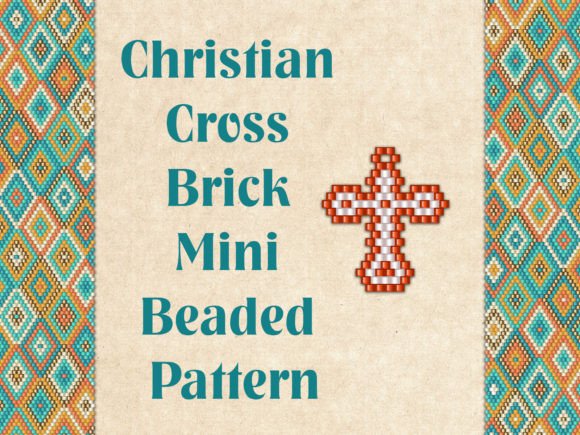
For digital product creators, the pattern itself can become a sellable item. A clean, well-organized PDF or printable instruction sheet with clear bead placement diagrams, color suggestions, and stitch guidance transforms the Christian Cross into a digital download that crafters will pay for. This is where the beading pattern category truly shines. Buyers on Creative Fabrica, Etsy, and similar marketplaces are actively searching for patterns they can use to create their own handmade items. The Christian Cross design, with its universal symbolism, has strong search potential in this space.
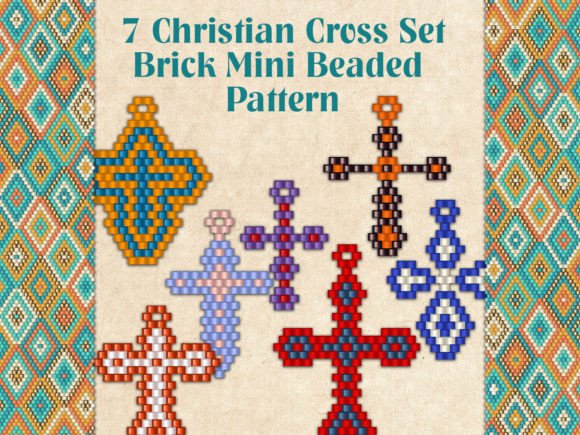
I also tested how the pattern could integrate into a broader product bundle. A set of religious beading patterns, perhaps including crosses, angels, doves, and ichthys symbols, would create a cohesive collection that appeals to church craft groups, religious education programs, and individual crafters building a faith-based inventory. The bundle approach increases perceived value and can justify a higher price point while giving buyers multiple projects to explore.
Visual Storytelling and Listing Presentation
One of the most overlooked aspects of selling beading patterns is the quality of the listing images. A pattern is essentially a promise of what the buyer can create, and the Christian Cross pattern needs to be presented with photographs that tell a compelling visual story. I recommend creating at least three to five finished examples using different bead colors and finishes. A gold and crystal version photographs beautifully against a dark velvet background, suggesting luxury and reverence. A wooden bead version on a neutral linen surface feels more rustic and approachable. A pearl and silver combination looks bridal and could appeal to the wedding market.
These varied mockups serve multiple purposes. They demonstrate the pattern's versatility, they help buyers envision their own creative possibilities, and they strengthen the listing's click-through potential when displayed as thumbnails in search results. The cross shape is distinct enough to remain recognizable even at small sizes, which is a genuine advantage for marketplace visibility. A thumbnail that clearly communicates the spiritual and decorative nature of the finished piece will outperform one that leaves buyers guessing.
For sellers using Canva templates or creating social media graphics to promote the pattern, the Christian Cross motif works beautifully as a central design element. A simple Instagram post showing the beading process step by step, with the finished cross catching the light, can generate meaningful engagement. The symbolism naturally invites comments and shares, particularly from audiences who connect with the faith-based meaning behind the design.
Where the Christian Cross Pattern Excels
This beading pattern is strongest when used in contexts that honor its symbolic weight and visual clarity. Large product previews on Etsy or Creative Fabrica give the cross room to breathe and allow potential buyers to study the bead placement and pattern structure. Themed bundles featuring complementary religious designs create a natural product family that encourages multi-item purchases. Printable product formats, where the pattern is delivered as a clean, well-spaced PDF with clear instructions, provide the best customer experience.
The pattern also performs well in decorative layouts that emphasize the handmade quality of the finished piece. Close-up photography showing the texture of the beads, the precision of the stitch work, and the way light interacts with the materials helps establish trust and communicates the care that goes into following the pattern. For merchandise graphics, such as packaging inserts or thank-you cards included with physical bead kits, the cross design adds a thoughtful, branded touch that reinforces the spiritual nature of the product.
Social media promos and product mockups benefit from the cross's strong silhouette. The shape is universally understood, which means it does not require extensive explanation or context. A simple caption paired with a well-lit photograph of the beaded cross can drive traffic to a listing more effectively than a busier, more complex design might.
Areas That Require Careful Handling
Despite its strengths, the Christian Cross beading pattern does have limitations that sellers should acknowledge before committing to a full product launch. The design's detail level means it is not ideal for tiny sticker applications or very small-scale reproductions. If a seller is considering using the cross motif as a miniature element within a larger digital paper pack or as a subtle watermark, the bead details may become indistinct and lose their handcrafted character.
Low-resolution print products present a similar risk. If the pattern is being adapted for printed merchandise like mugs or tote bags through sublimation, the bead placement lines and subtle color transitions need to be tested at the final print size. What looks crisp on screen may soften or blur in print if the resolution is not carefully managed. I always recommend printing a physical sample before listing any print-on-demand product that incorporates beading pattern details.
For Cricut and Silhouette users, the cutting path considerations are different from the beading application. The cross shape itself is simple enough to cut cleanly, but if sellers are creating sticker sheets or heat-transfer designs that incorporate the beaded texture, the cut lines should be tested on scrap material first. Intricate bead-like edges may snag or tear if the cutting settings are not dialed in precisely. Offering a simplified silhouette version alongside the detailed beading pattern can give customers more flexibility and reduce frustration.
Dark backgrounds can also be tricky. The cross design, particularly when rendered in lighter bead colors, may look washed out against a white background, but on a dark background, the contrast can become harsh. I test every colorway on at least three background tones before finalizing listing images. A soft gray or warm cream background often provides the most balanced and professional presentation for beading patterns with spiritual themes.
Practical Seller Notes for Commercial Use
Organization matters enormously when selling digital products, and the Christian Cross pattern should be packaged with the buyer's experience in mind. I recommend creating a zipped folder that includes the pattern in multiple formats where applicable, with clearly labeled files that avoid cryptic naming conventions. A customer who downloads a file called "cross_pattern_v3_final.pdf" is not going to feel as confident as one who sees "Christian_Cross_Beading_Pattern_Instructions.pdf." Small details like this build trust and reduce post-purchase confusion.
Commercial licensing is another critical checkpoint. Before selling finished products or derivative works based on the Christian Cross pattern, sellers must verify that the original asset includes a commercial license. If the pattern was purchased from a designer or marketplace, the license terms should explicitly permit the creation of physical items for sale, digital resale, or incorporation into larger design bundles. Assuming commercial rights without checking can lead to disputes and platform takedowns.
Font pairing is worth considering if the pattern is being used in combination with text elements, such as on product packaging, social media graphics, or Canva templates. A serif font reinforces the traditional and reverent mood of the cross design. A clean sans serif font offers a more modern contrast that still respects the symbolism. Script fonts and handwritten fonts can add a personal, heartfelt quality that works well for memorial or gift items. Display fonts should be used sparingly, as they can compete with the cross for visual attention. I test each font style against the beaded cross to see how the overall composition feels before finalizing any branded material.
Testing the design on real mockups is non-negotiable. I place the finished beaded cross onto a pendant mockup, a keychain mockup, and a flat-lay styled scene with other craft materials. This helps me see how the piece looks in context and whether any color adjustments are needed. I also preview the pattern as a marketplace thumbnail at the size it would appear on Etsy search results. If the cross shape is still clear and appealing at that reduced size, the design passes the visibility test. Checking the pattern on both white and dark backgrounds ensures the listing images will look professional regardless of how the platform displays them.
Print testing is essential for any seller offering physical versions of the finished beaded item or printed pattern sheets. Colors can shift between screen and paper, and bead color references in the pattern instructions need to be as accurate as possible. I print the pattern instructions on a standard home printer and on a higher-quality laser printer to compare results. If the bead placement diagrams rely on color coding, I confirm that the printed colors are distinct enough to guide the crafter without confusion.
Integrating the Pattern Into a Broader Product Strategy
The Christian Cross beading pattern is not a standalone miracle product, but it is a dependable, meaningful asset that can anchor a faith-based product collection. When I think about building a shop around spiritual and commemorative items, this pattern becomes one piece of a larger puzzle. It can sit alongside scripture verse art prints, religious holiday decor, baptism invitation templates, and memorial keepsake designs. The cross motif ties the collection together visually, creating brand consistency that helps customers recognize the shop's aesthetic and values.
For small business owners and creative entrepreneurs, the pattern offers a way to diversify income streams. The same design can generate revenue as a digital download for crafters, a finished handmade product for gift buyers, and a teaching resource for workshops or online classes. A beading instructor could use the Christian Cross pattern as part of a paid course, while a print-on-demand seller could adapt the finished beadwork photograph into a greeting card or a framed art print commemorating a religious milestone.
The digital product landscape rewards sellers who understand their niche deeply and serve it with genuine care. The Christian Cross beading pattern speaks to a specific audience with clarity and respect. It avoids the trap of being generically decorative and instead offers something that feels personal and purposeful. That kind of emotional resonance is difficult to manufacture, and when a design asset carries it naturally, the seller's job becomes one of thoughtful presentation rather than hard persuasion.